
Written by Marni Frischer
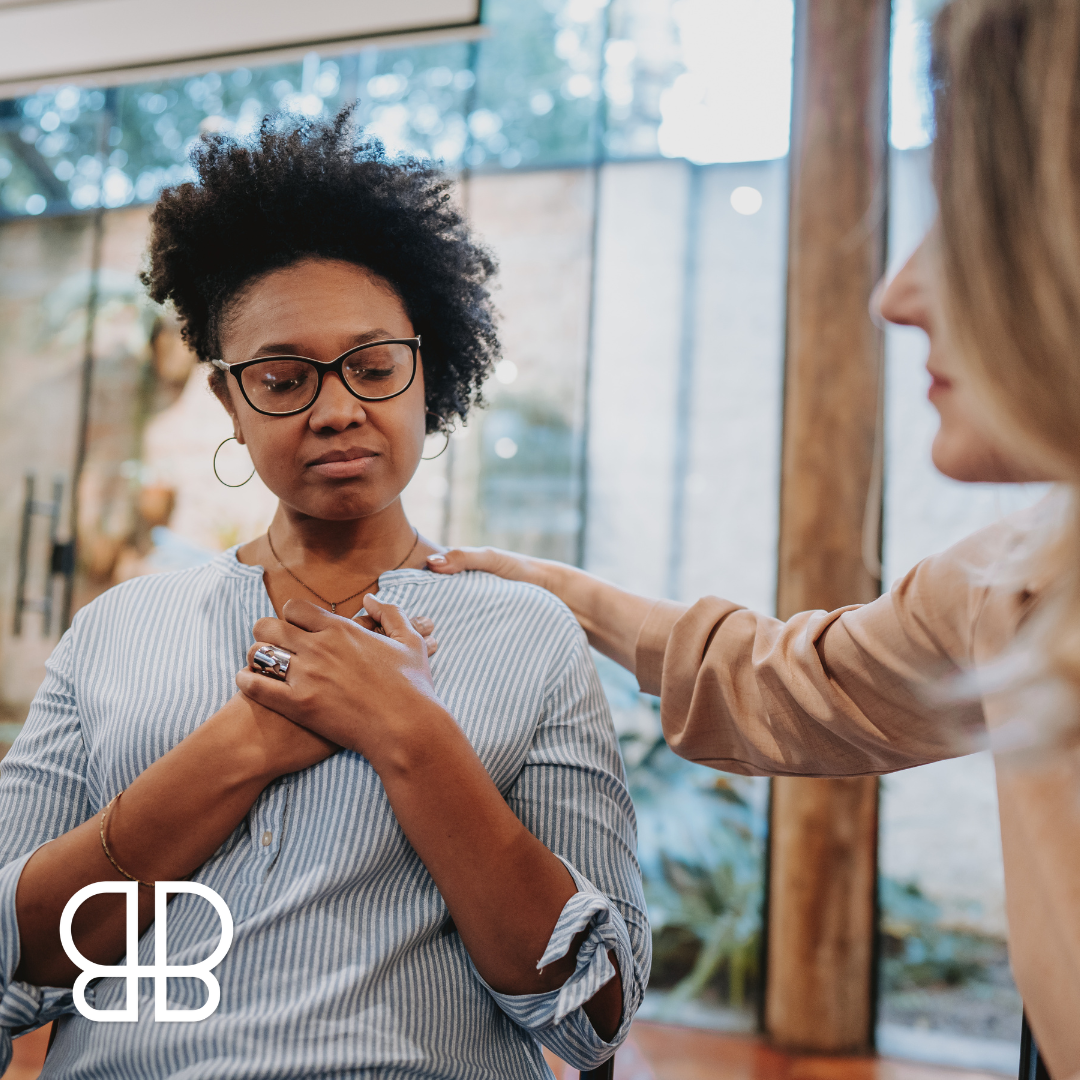
Breast Surgery Recovery and How to Offer Support
When someone you love is recovering from breast cancer surgery, it's natural to feel a little lost. You want to help — genuinely help — but it can be hard to know what that actually looks like. Should you call or give them space? Bring food or wait to be asked? Show up or hang back?
The truth is, the most meaningful support rarely comes from grand gestures. It comes from showing up consistently, paying attention, and making life a little easier during a time when everything feels hard. Here's what breast cancer surgery and recovery actually look like — and how you can be there for the person going through it.
Understanding What They're Going Through
Before you can support someone well, it helps to have a realistic picture of what recovery feels like from the inside.
It's More Than Physical
Yes, there's soreness, limited arm movement, and real physical pain and exhaustion in the weeks after breast cancer surgery. But recovery isn't just about the body healing. It's also about processing a diagnosis, adjusting to changes, and figuring out what "normal" looks like now. The emotional weight of all of that doesn't follow a neat timeline — it can surface weeks or even months after surgery.
Understanding this means knowing that your support matters long after the stitches have healed.
How Long Does Recovery Take?
Breast cancer surgery recovery time varies depending on the type of surgery; understanding this helps set realistic expectations for the support someone will need. Generally speaking:
-
After a lumpectomy, most people are back to light daily activities within a couple of weeks, with fuller recovery around the 3–4 week mark.
-
After a mastectomy, it's typically 3–6 weeks before someone feels like themselves again in daily life.
-
When reconstruction is involved, recovery can be longer (though it depends on the type of reconstruction and type of plastic surgery) — often 6–12 weeks or more, with follow-up appointments along the way.
That's a long stretch of time to need support. And here's what's worth knowing: the help people receive tends to taper off after the first week or two, right when the reality of recovery is really setting in. Staying consistent matters more than showing up big at the beginning.
The Everyday Realities
During breast cancer surgery recovery, small things become big things. Getting dressed. Reaching for something on a shelf. Cooking a meal. Managing fatigue that feels deeper than just being tired. Keeping track of medications and appointments while also trying to rest.
Many people recovering from breast cancer surgery will also be managing surgical drains — small tubes near the incision site that require regular emptying and monitoring. Even something as routine as taking a shower becomes a carefully planned event, often requiring a drain holder to keep everything secure and hands-free. These are the practical realities that most people on the outside don't think about — and exactly where thoughtful support makes all the difference.
The people who help with those small things — without being asked, without making a big deal of it — are the ones who make the biggest difference.
How to Actually Show Up
Lead With Specifics, Not Open Offers
"Let me know if you need anything" is one of the most common things people say — and one of the least helpful. It puts the burden on the person recovering to come up with an answer, which takes energy they don't have and can feel uncomfortable for people who don't like asking for help.
Instead, offer something specific:
-
"I'm heading to the grocery store Thursday — can I grab anything for you?"
-
"I'd love to bring dinner on Saturday. What sounds good to you?"
-
"I have a free afternoon this week — can I come sit with you for a bit?"
Specific offers are easier to say yes to, and they signal that you've actually thought about what they need.
Take Things Off Their Plate
Think about the logistics of daily life that don't stop just because someone is recovering. This is where practical support is invaluable:
-
Driving to appointments and waiting with them
-
Picking up prescriptions
-
Handling school pickups or childcare
-
Doing a load of laundry or tidying up
-
Walking the dog
If you're one of several people wanting to help, consider organizing through a meal train or a shared calendar so the support is spread out and nothing falls through the cracks.
Help Create a Comfortable Space
If you're able to help before surgery, one of the most thoughtful things you can do is help set up a cozy recovery spot at home. Here's what that can look like:
-
Think ahead about recovery tools. A drain holder makes showering possible without extra help or discomfort. A side pillow helps take the weight of the arm off the chest — something that sounds minor until you realize how much that friction can hurt during the first weeks of healing. A seatbelt pillow is another one worth having ready, since car rides to follow-up appointments are unavoidable, and the pressure of a seatbelt across the chest can be surprisingly painful.
-
Think through their wardrobe. Button-down pajamas or a comfortable, front-opening outfit make getting dressed (and undressed) so much easier — and they feel put-together enough for when visitors stop by. It's a small thing that removes daily challenges.
-
Stock a side table with water, easy snacks, medications, a phone charger, books, magazines, or anything else they might want within reach — so they're not getting up and searching for things during those early days when every movement takes effort.
Little things that mean they don't have to strain, stretch, or problem-solve during those early days of recovery.
Keep Showing Up — Even When Life Gets Busy
This is probably the most important one. The initial wave of support — the meals, the flowers, the check-ins — tends to fade after the first week or two. But recovery from breast cancer surgery takes weeks to months, and the emotional weight of it can last even longer.
A short text. A funny meme. A quick call that doesn't require a health update. These small gestures of "I'm still here, I'm still thinking of you" mean more than most people realize.
Send a Gift That Says "I See You"
Sometimes distance, timing, or circumstances make it hard to show up in person. A thoughtful gift — or a curated gift basket for breast cancer recovery — can bridge that gap in a way that a generic get-well bouquet simply can't.
What makes a gift truly meaningful during breast cancer surgery recovery is when it speaks directly to what someone is actually experiencing — not just a general "feel better soon" gesture. That's why a curated gift box designed around the specific procedure someone is undergoing can feel so personal and so useful. The Balm Box offers collections built specifically for breast cancer surgery recovery, thoughtfully assembled to address the real, day-to-day needs that come with each unique procedure. Discover comfort-focused gifts for breast surgery recovery →
A Few Things to Avoid
Good intentions don't always land the way we hope. A few things worth keeping in mind:
-
Skip the advice. Unless they ask, hold back opinions on treatments, diet, supplements, or what worked for someone else you know.
-
Don't make it about you. If you're feeling emotional about their diagnosis, process that with someone else. They shouldn't have to comfort you during their own recovery.
-
Don't go quiet after week one. This is the most common way support falls short. Keep checking in.
-
Take their cues. Some days they'll want to talk about everything they're feeling. Other days they'll want to talk about literally anything else. Follow their lead.
The Bottom Line
Supporting someone through breast cancer surgery recovery doesn't require you to have all the answers or do everything perfectly. It requires consistency, attentiveness, and a willingness to keep showing up — especially on the ordinary days when everyone else has moved on.
Whether you're bringing a meal, running an errand, sending a text, or choosing something comforting to send from afar, every act of care counts. Explore gifts thoughtfully curated for breast surgery recovery — designed to bring real comfort during a time when it matters most.
You don't have to know the right words. You just have to keep showing up.
People Also Ask
How Long Does It Take to Recover from Breast Cancer Surgery?
Recovery time after breast cancer surgery depends on the type of procedure. After a lumpectomy, most people return to light daily activity within 1–2 weeks and reach fuller recovery by weeks 3–4. A mastectomy without reconstruction typically means 3–6 weeks before resuming most normal activities. When reconstruction is part of the surgery, recovery is more involved — often 6–12 weeks or longer, depending on the surgery and/or surgeries. Beyond the physical healing, the emotional side of recovery doesn't follow a set schedule and may continue to surface for months after surgery. For anyone supporting a loved one, this timeline is a reminder that consistent, long-term support matters far more than a single gesture right after surgery.

What Is a Good Gift for Someone Recovering from Breast Cancer Surgery?
The best gifts for someone recovering from breast cancer surgery are practical, comfort-focused, and sensitive to the physical realities of what they're going through. Avoid anything that requires effort, assembly, or a big reaction. Instead, think:
-
Soft, button-down or front-opening clothing that's easy to put on without raising arms or maneuvering around surgical sites
-
Drain holders that make showering manageable and hands-free during the weeks when surgical drains are in place
-
Supportive pillows designed for post-surgical positioning and comfort while resting
-
A seatbelt pillow to cushion the chest during car rides to and from appointments
-
Gentle skincare that's fragrance-free and kind to sensitive, healing skin
-
Cozy comfort items — soft socks, an eye mask, a lightweight blanket — that make rest feel restorative rather than just necessary
-
A curated gift box built specifically around their procedure type, so every item is relevant and useful rather than generic
The Balm Box offers breast cancer surgery recovery gift collections designed around the specific needs of each procedure — so you're not guessing, and they're not receiving something that doesn't quite fit. Explore breast cancer recovery gifts →